

Over the past few years, there has been an unspoken rivalry between the two titans of the MOBA genre — Dota 2 and League of Legends (LoL) — growing every day.
Dota and League of Legends have long been battling among their fans as two of the most famous projects in the MOBA genre — multiplayer online battle arenas. Both games are distributed using the free-to-play model, which has become the main factor in their phenomenal popularity and helped attract a multi-million army of fans from all over the world. In the gaming community, debates about which of them is cooler — Dota or LoL — do not subside to this day.
These two titans of the industry grew from the same root — the cult DotA All Stars mod for Warcraft III. The original version of Dota appeared thanks to the efforts of two influential developers — Guinsoo and IceFrog. In 2006, Guinsoo took a decisive step in his career by joining the young Riot Games studio, where work on League of Legends soon began. His approach and vision laid the foundation for the success that LoL has today.
Meanwhile, IceFrog took a different path — he became part of the Valve team, where he took the key position of lead designer of Dota 2. Under his leadership, the game acquired its mechanics, a strong strategic component and the status of one of the main eSports disciplines of our time.
Содержание
LoL and Dota 2 Player Statistics: Activity and Audience Growth by August 2025
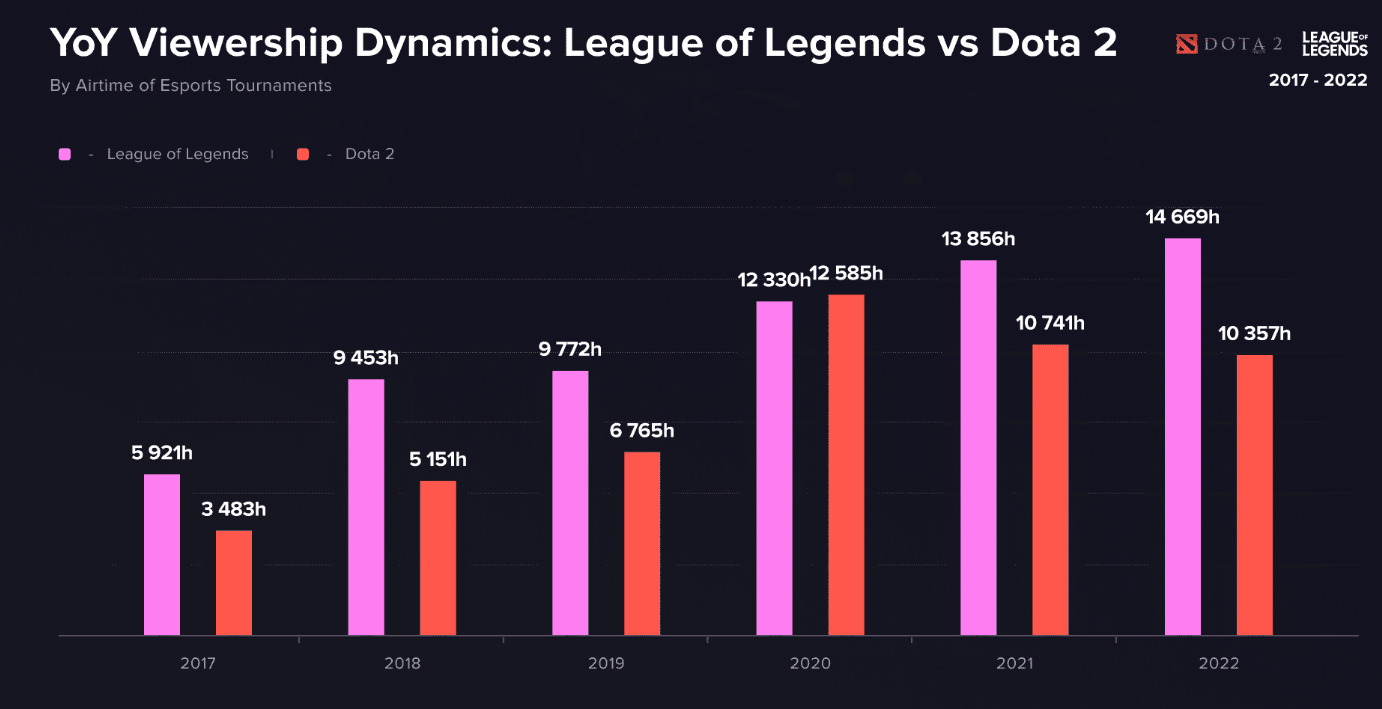
Fresh analytics data confirms: League of Legends (LoL) is confidently ahead of Dota 2 in terms of global popularity. Gaming platforms and independent trackers record a steady increase in audience engagement and activity in favor of LoL.
During 2023, the daily online peak in LoL fluctuated between 9 and 10 million players. For comparison, in 2022, these figures reached up to 15 million. Even more impressive is the monthly user base — about 150 million people, which once again emphasizes League of Legends’ title as one of the most massive esports projects in the world.
Monthly Player Stats for Top Game (Updated)
What about Dota 2? Despite a smaller overall audience, the game maintains a stable and loyal player base. The average online on weekdays is from 400 to 450 thousand, and peak values during major updates reach 700-800 thousand. This is very telling: the Dota community reacts actively to every new patch, keeping the game active.
Comparison of graphics and sound: engines, styles, updates
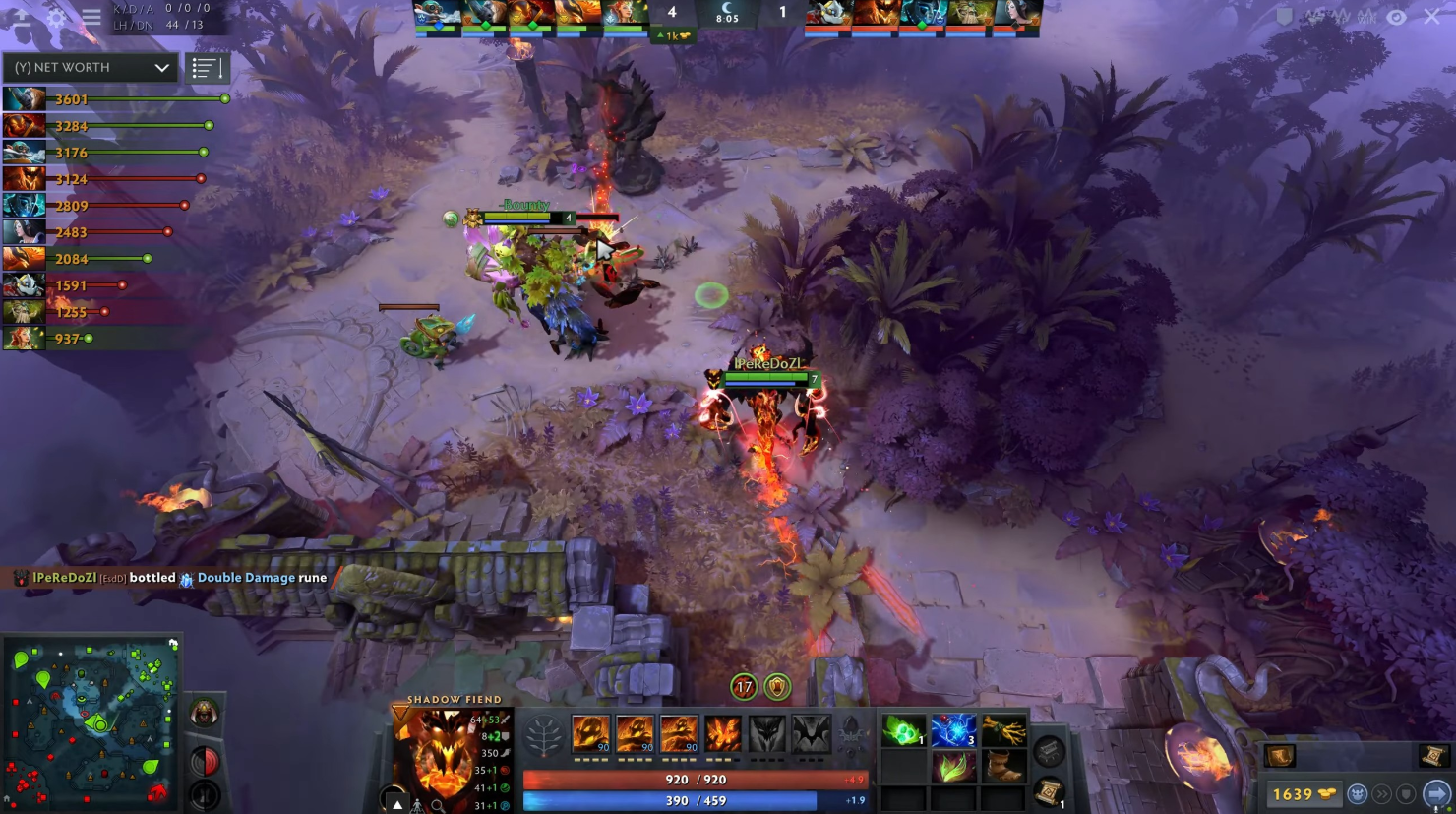
From a technical point of view, Dota 2, first released in 2012, immediately set a high bar for visual quality among MOBA games. A special leap in development occurred in March 2015 — then the game switched to the Source 2 engine, which dramatically improved its performance, made animations smoother, and character details even more expressive.
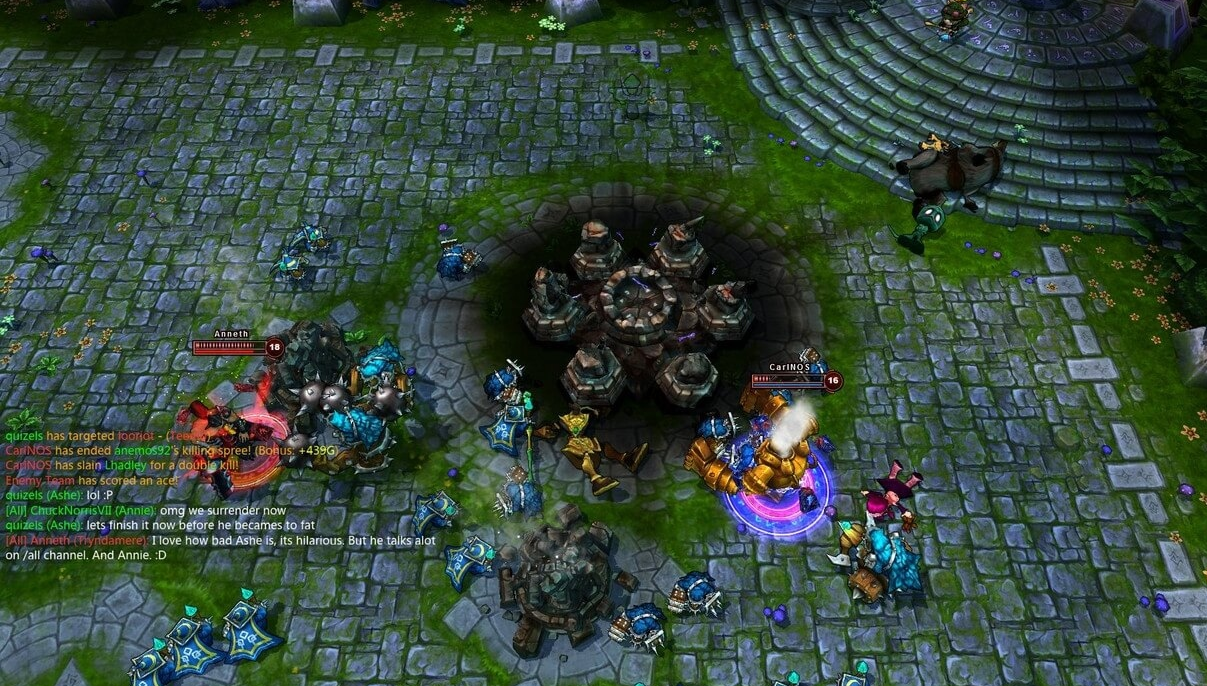
Hero models began to look like works of digital art: bright, voluminous and saturated with small details. In addition, at the end of 2022, Valve finally abandoned outdated technologies like DirectX 9 and OpenGL, choosing the path to support modern solutions that ensure stability and graphical superiority. In contrast, League of Legends, which debuted back in 2008, chose a different approach: LoL’s visual style is a combination of anime aesthetics and cartoon graphics. This artistic choice not only effectively masks the limitations of the old engine, but also sets a unique visual tone that has remained relevant for over 15 years. Even after all these years, the project has not lost its relevance — in an interview from December 2023, the director of LoL shared hints about large-scale graphical and technical updates planned for 2025. All this suggests that the game does not stand still and continues to transform along with its audience.
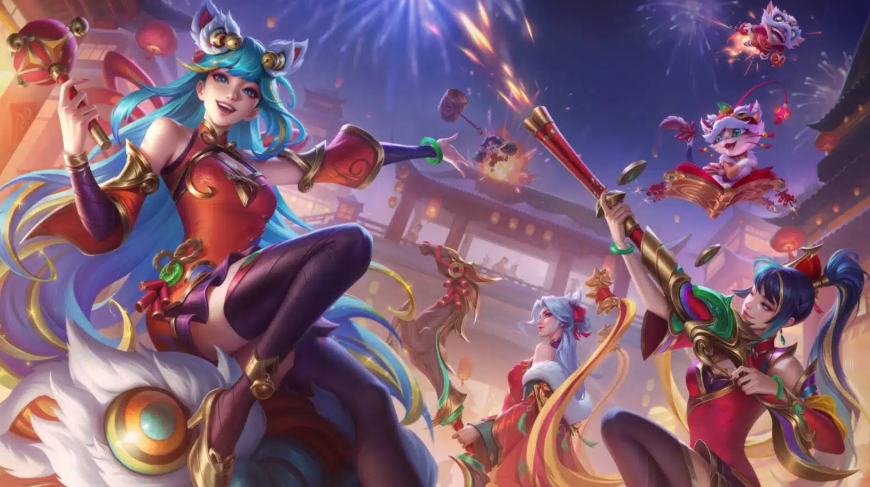
Graphics play a crucial role in the gameplay and often depend on the personal preferences of the players. Dota is known for its excellent technical specifications, stunning visuals, and thoughtful design that demonstrates the depth of the game. League of Legends, on the other hand, has a unique art style that stands out and captivates players with its vibrant and original environments.
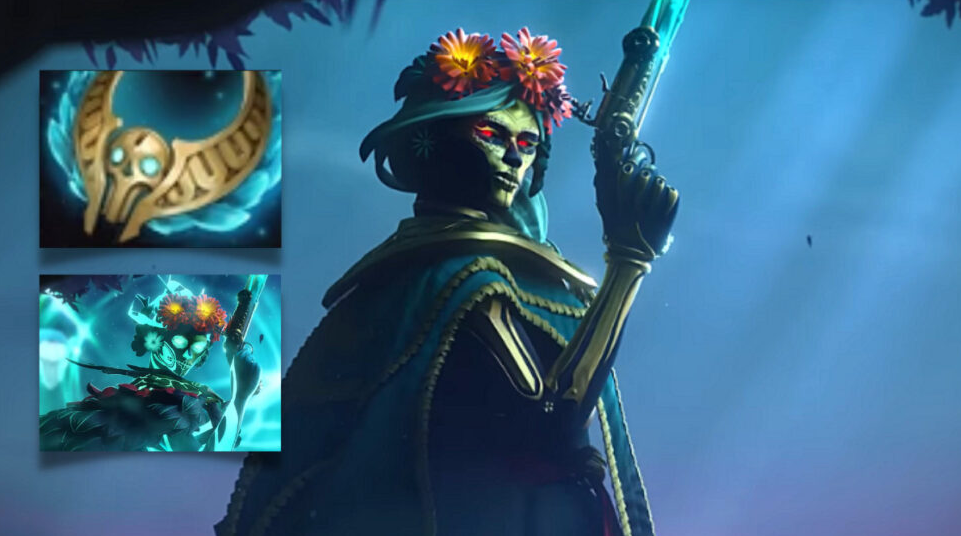
When it comes to sound design, both games excel, providing high-quality audio. Dota allows players to personalize their gameplay by replacing background music and commentators, adding a level of customization that many appreciate. As of early 2024, Dota offers an impressive selection of 21 music kits, each containing different musical themes that enhance the overall atmosphere of the game. This level of customization makes for the best gaming experience.
Valve wants famous musicians to be bought to write music for the game. For example, players can buy a music pack from TheFatRat and deadmau5.
Champions and Heroes
At the beginning of 2024, Dota 2 continues to delight fans with its diversity — 124 heroes are already available in the game, and the community is eagerly awaiting the appearance of a new character, the release of which is promised in the first half of the year. This anticipation speaks for itself: interest in the game remains at a high level, and its world is still alive and evolving.
But League of Legends is faced with a different reality. Despite the regular releases of new champions, gamers increasingly notice: many abilities repeat existing mechanics. The developers focus on strengthening new heroes, and players are beginning to suspect that Riot Games is strongly leaning towards them buying new items in order to remain competitive. This perception has caused a wave of discontent within the community.
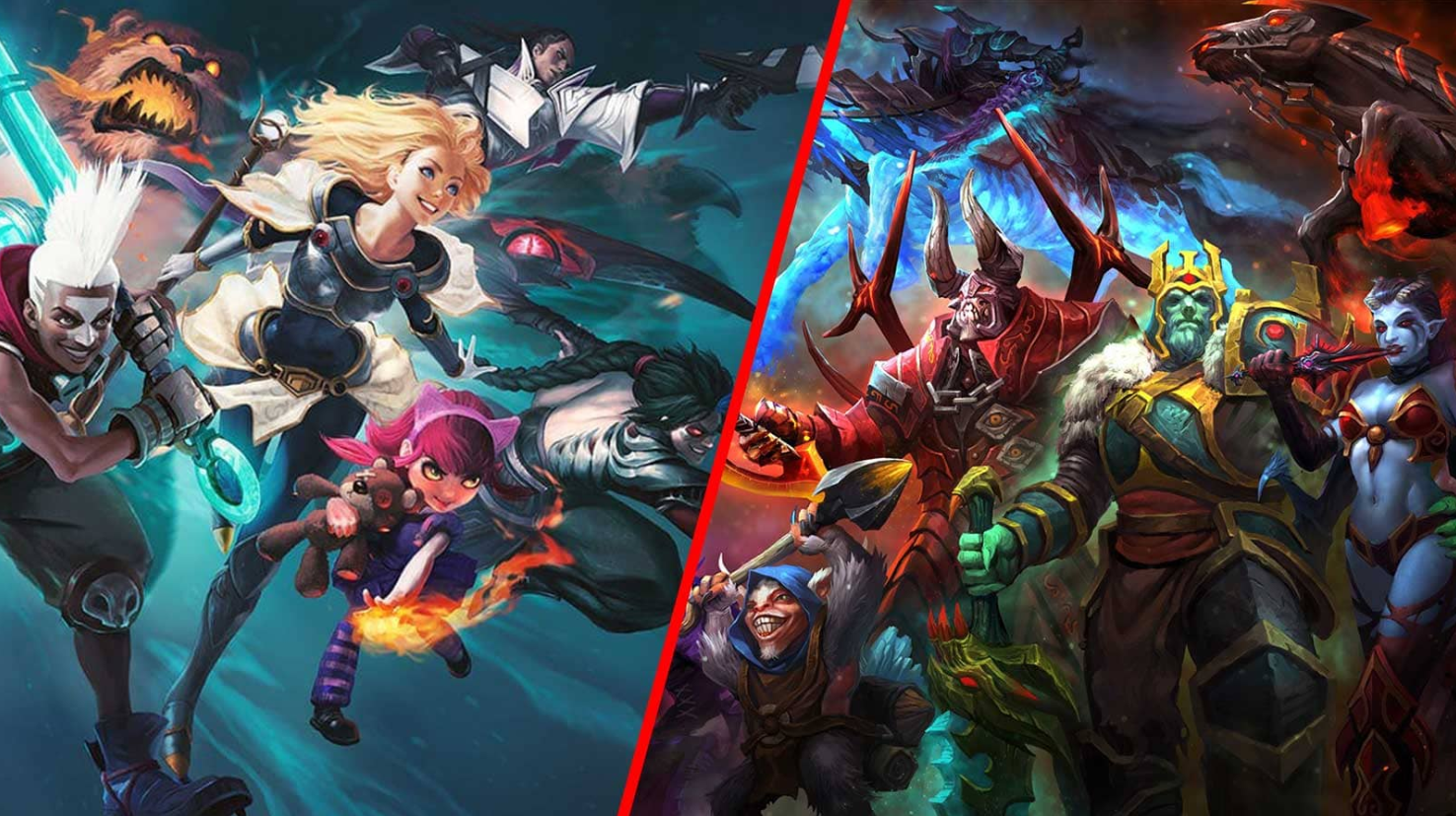
In LoL, all characters are clearly divided into six classes, and each of them plays a strictly defined role in the team. This structure is in stark contrast to Dota 2, where heroes aren’t locked into rigid classes, but instead have one of four main attributes that affect their strengths and weaknesses in combat.
One of the main reasons Dota 2 retains its uniqueness is because it features heroes with truly unique mechanics. Take Invoker or Meepo, for example: each offers an unusual, sometimes challenging, but fun playstyle. It’s these characters that make the gameplay truly diverse. Meanwhile, until late 2024, LoL champions maintained a traditional template: three basic abilities and an ultimate. However, with the release of K’Santhe in November, things began to change — his playstyle is significantly more complex than most League heroes, and is similar in strength to Dota 2’s Invoker.
Dota 2 Balance vs. League of Legends Meta
Each update brings new heroes to the game, often with the potential to lead matches. But, despite this, their win rate rarely rises above 55%, which allows for fair competition and keeps the balance afloat.
One of the main features of Dota 2 is a wide and well-thought-out cycle of global patches, which gives players a special opportunity to influence the formation of the meta themselves. If a hero becomes too strong after an update, the community quickly reacts: counter-picks are selected, strategies are adapted, and even those heroes that almost no one chose before enter the battle. It is this flexibility that makes each Dota match truly unpredictable.
Players still remember patch 6.83 from 2014 as one of the most controversial and criticized updates. Most of the changes seemed to fundamentally undermine the balance, causing a real storm of discussions and a flurry of discontent from fans.
League of Legends, on the other hand, relies heavily on regular updates to set the current meta. Each patch can see a few champions suddenly become significantly stronger than the rest. This imbalance often leads to massive complaints and heated discussions on forums, where players actively criticize Riot Games’ actions in terms of balance.
Smurfing in Dota 2 and LoL
League of Legends is considered one of the most beginner-friendly games. Riot Games tried to create a well-thought-out training system that not only introduces basic mechanics, but also carefully introduces players to the nuances of different roles and classes. This step-by-step approach will make it easier to get used to and does not overload you at the start. In contrast, Valve has long been trying to simplify the entry into Dota, making the learning process more understandable and accessible.
But despite the efforts, Dota remains difficult for beginners largely due to a common phenomenon — smurfing. When experienced gamers create new accounts to play with less experienced opponents, this creates a strong imbalance. Beginners in such conditions often cannot adequately assess their mistakes and progress, because they are faced with opponents whose level of play is much higher. All this leads to a sad outcome and a feeling of helplessness in beginner players.
Valve has realized the scale of the problem and has been actively fighting smurfing for the past two years. Various tools and restrictions are being implemented into the game to reduce the incentive for veterans to create secondary accounts for easy victories.
At the same time, the League of Legends smurfing situation has only just begun to receive public attention. Riot Games has not yet taken significant measures to combat this problem. Therefore, newcomers to LoL may face similar difficulties, and without timely intervention, training new players will remain a difficult challenge.
Donation and microtransactions
In League of Legends, many features and capabilities are initially unavailable without investment — to unlock them, players have to spend real money. This can only happen when defining a «pay wall» that must be overcome, especially at the beginning of the journey. In contrast, Dota 2 offers all users instant access to the entire list of heroes, which makes the start of the game more fair and balanced for everyone.
In LoL, to play for new champions, you need to either buy them separately or earn in-game currency for a long time. Those who do not want to wait are forced to pay out of their own pocket if they want to immediately get a full set of characters.
In addition, the League of Legends account is strictly tied to an individual region. Want to change the server — be kind enough to pay. For example, transferring a profile from the Russian region to the Eastern European one will cost a real amount. Even such a seemingly simple thing as changing a nickname costs money in League.
Dota 2 is much more democratic here. Accounts are not tied to one server — the player can freely move between regions (except China). You can also change your nickname up to five times per hour, which gives room for self-expression without restrictions and additional costs.
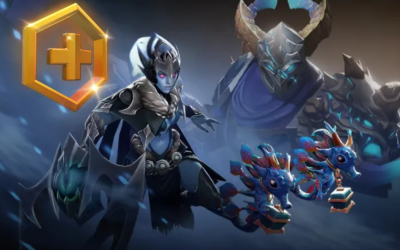
Both games offer players a lot of cosmetic items — skins, visual effects, interface improvements — all this helps to create a unique style. Until 2024, both games had a popular battle pass format, which provided seasonal tasks and rewards. But in 2023, Valve decided to abandon the battle pass, focusing on other monetization formats. Dota 2 also has a Dota Plus subscription, which provides expanded access to analytics, personalized recommendations, and unique seasonal cosmetic items.
The main differences are in mechanics and gameplay
At first glance, the two games seem almost identical. Each team has five fighters, and the map is divided into three lanes along which minions endlessly march. The main goal is to destroy the opponent’s main building, which leads to difficult battles and new tactics.
But if you dig a little deeper and more precisely, important differences emerge. In League of Legends, players pre-select universal skills depending on the role of their champion. In Dota 2, everything is different: here you can find neutral items by hunting jungle creeps — this adds an extra layer of tactics and unpredictability.
Dota 2 has a system of last-hitting your creeps — this reduces the enemy’s profit. In some cases, you can even «kill» allied heroes so that the enemy does not gain an advantage. This technique opens up a new power of tactical decisions that LoL cannot offer.
The main differences in gameplay between Dota 2 and League of Legends are:
-
Neutral items (Dota 2 only): Found in the jungle, provide random bonuses and change the flow of the game.
-
Creep Denial (Dota 2 only): Players can last hit their own creeps to limit enemy XP and gold.
-
Hero Kills for Denial (Dota 2): In rare cases, allied heroes can be killed to deny the enemy advantage.
-
Summoner Spells and Talents: LoL uses two customizable Summoner Spells; Dota 2 offers mid-match ability selection through a talent tree.
-
Role Management: LoL strictly enforces role selection, especially in competitive play; Dota 2 is flexible and open to experimentation.
-
Scaling and Flexibility: LoL champions generally follow a linear role progression; Dota heroes like Snapfire can switch roles in the mid-game with talents and items.
There are other major differences. For example, Riot Games adheres to strict rules: at tournaments, players are required to select heroes strictly according to their assigned role. Violations can result in real fines — even for eSports players.
But Dota 2 leaves players almost complete freedom. Despite the general expectations for roles, no one forbids trying out unconventional tactics. Valve only fuels interest by introducing new mechanics through talents and Aghanim’s upgrades. Take Snapfire, for example: this hero can both deal serious damage in the mid lane and support the team as a support. Thanks to the talent system, she easily turns into a full-fledged carry, which clearly demonstrates the game’s emphasis on flexibility and creativity.
Combating Toxicity in Online Games: What Riot Games and Valve Are Doing
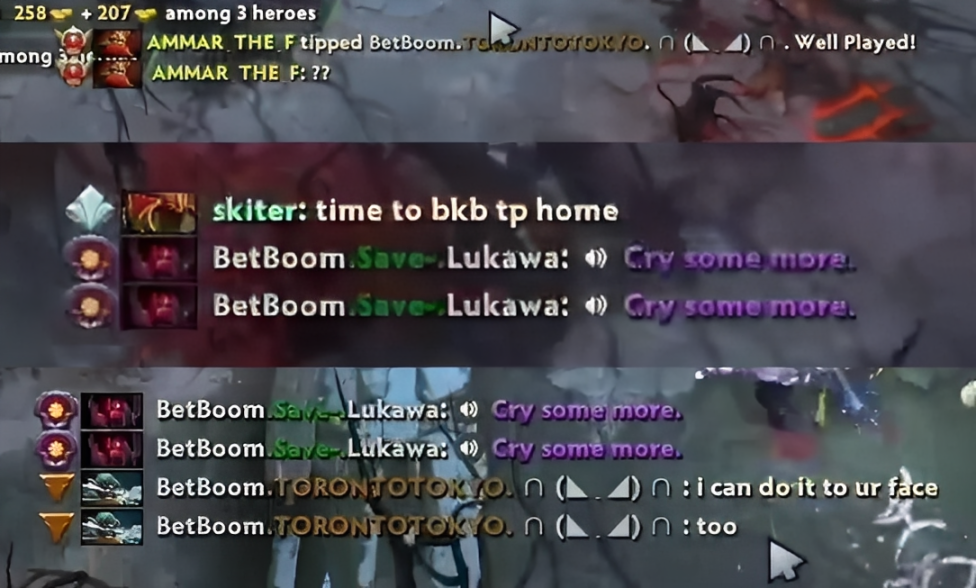
Competitive games often become the arena of intense emotions and aggressive squabbles. Tension is off the charts, and players, carried away by the battle, often break into insults. This creates the very toxic atmosphere that is so much talked about in the gaming community.
Riot Games has clearly outlined its position in the fight against toxicity. The company has introduced strict measures: for inappropriate behavior, you can get not only a temporary ban, but also a complete blocking of the account. Moreover, this applies not only to ordinary gamers — even professional players who are caught in rudeness or unsportsmanlike behavior can face harsh sanctions, including fines and disqualification from participation in tournaments. Despite this, some fans believe that such restrictions sometimes go too far, interfering with the fair and free gaming process.
Following Riot, in 2025, Valve also actively joined the fight against negativity in its community. Repeated insults and hostile remarks can result in silence for the player — the chat during matches is simply turned off. In this way, the company strives to create an atmosphere of respect and mutual understanding in the game.
Valve also made an interesting move on Christmas Eve 2023: all players were given cosmetic gifts. But those who regularly «toxic» received a completely different surprise — «Toxic Coal». Along with this «gift» came a harsh measure — immediate blocking of the account.
Comparison of Dota 2 and LoL communities: CIS and English-speaking regions
The player accidentally changed the language in Steam to English — and decided, why not play a game or two of Dota without the Russian language. It turned out that along with the language, the region in matchmaking also changed — now the selection was based on English-speaking players. As a result, I didn’t even notice how I played a dozen games with Americans. Of course, there were Russians, too, but there were noticeably fewer of them.
And here’s what surprised me — it felt like the atmosphere in the games was completely different. Yes, toxic people are everywhere — both in the West and here — but there seem to be fewer of them. And even those who express dissatisfaction do it differently: they try to play, they are not rude, and, unexpectedly, polite and adequate players often come across. Especially against the background of what I’m used to seeing in a Russian pub when I play as a support.
Maybe I just haven’t accumulated enough experience in other regions yet, but honestly, I don’t feel like returning to the CIS server yet. As if I exhaled after a long period of tension.
What can we say about LoL, it hasn’t gained much popularity. In 2016, Riot allocated a separate server for the CIS, before dividing users so that they could play on Eastern European servers.
And what do you think — where is the community more pleasant?
How Tournaments and Prize Pools Differ
In the world of League of Legends, professional eSports are overseen by Riot Games, which has changed the face of the competitive scene too much. The big arena is divided into several main regions, each of which hosts its own leagues — they determine which teams will deserve a chance to fight for global recognition. The winners of the main leagues receive a direct ticket to the prestigious World Championship. Interestingly, stronger regions, as a rule, receive additional quotas: for example, South Korea consistently sends four teams to the tournament, confirming its reputation as a leader.
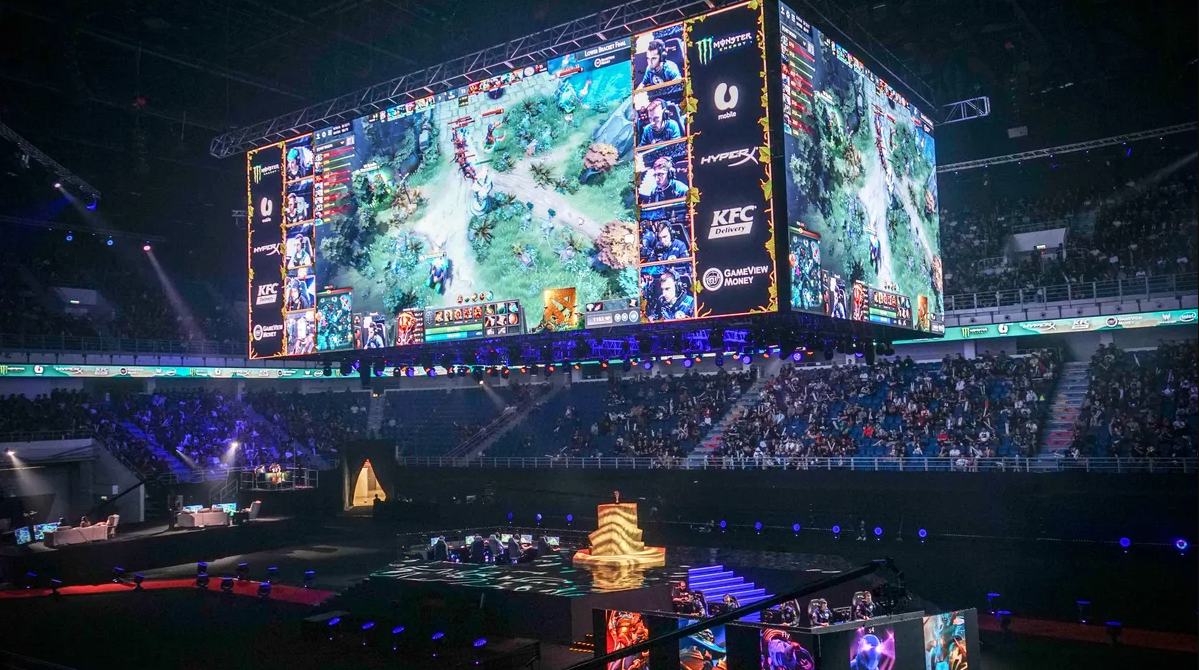
The World Championship itself, most often simply called «Worlds», is held annually at the end of October. This is not just a tournament, but a real holiday for fans, where an impressive prize pool of 2,225,000 US dollars is played out. This event is not only about the fight of the best of the best — it is the final of the year for the entire League of Legends community.
Take other MOBA games, the situation is different. Unlike LoL, at the moment in one of the main competing games there are no stable large commercial tournaments. However, in Dota 2, things used to be different: until 2017, Valve, the game’s developer, invited the top 12 teams to The International, based on its own (and still undisclosed) criteria. The remaining spots in the final were played out in regional qualifiers, which kept the tournament exciting and unpredictable. Depending on the year and format, 4 to 8 teams would make it to the final stage through the qualifiers.
From 2017 to 2023, the system changed: Valve introduced the Dota Pro Circuit (DPC), a repeating structure that is in many ways reminiscent of the League of Legends model. Within this format, teams competed for leadership in their regions, and the strongest received the right to participate in international majors. It was the performance in the league and at major tournaments that formed the rating that determined the list of participants in The International. Thus, the Dota 2 eSports scene became more coordinated and in cozy rooms.
After The International 2023, Valve officially announced the end of the Dota Pro Circuit (DPC), a long-standing qualification system, which caused heated discussions within the community. Now the fate of high-paying Dota 2 tournaments in 2024 is shrouded in uncertainty, because clear rules for selecting teams have not yet been presented.
One of the key features of The International has always been a mega-large prize pool, formed largely at the expense of the players themselves. Valve annually released a battle pass, part of the proceeds from which — exactly 25% — went to replenish the prize pool. It was thanks to this scheme that a record was set in 2021: more than 40 million dollars — an amount that amazed even people far from esports and made the tournament a real epicenter of interest in the gaming industry.
But already in 2023, a radical change occurred: Valve abandoned the usual financing model and did not release a battle pass. This decision hit the familiar ecosystem — the prize pool was reduced to a little more than three million dollars. A logical question arose: how will interaction with the community be built now and who will finance future competitions?
Compared to League of Legends, where playoff matches are held according to the classic Olympic system — lose and leave — Dota 2 uses a double elimination system. It is too diverse and gives fans additional drama. Teams that suffer the first defeat are sent to the lower bracket, getting a chance to comeback. But the second defeat becomes fatal — the team leaves the tournament. This format ensures high tension in matches, unexpected turns and emotional «returns from the other world».
An example of the power of this format was The International 2021, where Team Spirit, despite an unsuccessful start in the playoffs, went all the way from the lower bracket and sensationally won the tournament, forever leaving a name in the history of Dota.
League of Legends Esports in 2025: Regions, Worlds, and New Formats
In the world of League of Legends, professional esports are overseen by Riot Games, which has not only built a solid foundation for the competitive scene, but also continues to evolve it. The global arena is divided into key regions: LCK (South Korea), LEC (Europe), LPL (China), LCS (North America) and PCS, VCS, CBLOL, LLA. Each league serves as a launching pad for teams aiming to participate in the World Championship, known to fans by the short and proud name — «Worlds».
Successful teams that demonstrate strength in regional championships receive direct invitations to Worlds, with representatives of stronger regions such as South Korea and China regularly receiving additional quotas. Thus, in 2025, South Korea will again send four teams, confirming its status as a global leader in LoL.
In addition to the main World Championship, Riot is also expanding the tournament calendar. Since 2023, the esports scene has been replenished with a new large-scale tournament — Season Kickoff, which opened the 2023 season and became an annual event. And in 2024 and 2025, Riot announced and implemented two new international events:
LoL Esports All-Star Showdown (first held in 2024) is an interregional competition that brings together the best players in the world based on the results of fan voting. This is a show tournament that combines a sporting spirit and an entertainment format.
Legends Invitational (introduced in 2025) is a tournament between invited champions and prize winners of past years. The first season was held in Singapore and was dedicated to the 15th anniversary of League of Legends. A special feature of the Invitational was its unique format — mixed rosters of players from different regions.
The World Championship itself is usually held at the end of October — it is not just a tournament, but a global cultural event, where a prize fund of 2,225,000 US dollars is played out, and the final is accompanied by a large-scale show, the headliners of which have already been Imagine Dragons, Lil Nas X and other world stars.
New Dota 2 Tournaments: Midas Invitational and Legacy Cup in 2025
At the same time, the tournament scene in other MOBAs, especially Dota 2, has undergone a major change. Valve has long been building its own model, different from Riot Games’ system. Until 2017, The International remained an event with open qualifiers and a mysterious invite system. But everything changed with the launch of the Dota Pro Circuit (DPC), a ranking system similar to the leagues in LoL.
From 2017 to 2023, teams competed for DPC points in regional leagues and international majors, and the points earned affected qualification for The International. This gave the scene a clear structure and predictability, but — alas — not for long.
After The International 2023, Valve officially announced the cancellation of the DPC. The Dota 2 competitive scene in 2024 faced turbulence, as the centralized system was dismantled. Tournaments began to be held by independent organizers — ESL Pro Tour, BetBoom Dacha, Riyadh Masters, DreamLeague, Elite League, PGL Wallachia and others.
Also in 2025, two new major tournaments appeared, which partially compensated for the disappearance of the DPC:
Midas Invitational (founded in 2025) — a commercial tournament with the participation of eight top teams in the world. The prize pool in the first season was $ 1.5 million. It is distinguished by an experimental draft and «blind pick» series formats.
Legacy Cup — a tournament from the new Meta Esports league, where legends of past years participate: players like Puppey, Dendi, KuroKy, unite again for the sake of fans. The first tournament was held in June 2025 in Berlin.
Do not forget that The International still retains its power. Valve may have abandoned the traditional Battle Pass, but in 2024 the company launched a new crowdfunding system, the «Community Challenge,» in which players could complete tasks in the client and directly influence the growth of the prize pool.
LoL vs Dota 2: How Updates Differ and Why It Matters
In League of Legends, each new season starts with a major patch that brings fresh content and significant updates. Throughout the year, the developers regularly — about once a month — release balance adjustments. Typically, within one cycle, you can see from 12 to 25 edits to champion abilities and key game mechanics. Thanks to this, LoL remains dynamic and competitive, maintaining the interest of both newcomers and veterans.
On the other hand, Dota 2 prefers a different approach. Here, major updates are released only 2-3 times a year, but each of them can radically change the look of the game. Such patches affect both heroes and basic mechanics, which significantly affects the meta. After the release of a major update, the development team spends about two months fine-tuning the balance, eliminating bugs and making the necessary edits. This will help maintain fair and interesting gameplay for all players.
LoL vs Dota 2 — Strengths and Weaknesses
Overall League of Legends Over Dota 2 Worldwide
Let’s start with the fact that the popularity of League of Legends is hard to underestimate. Since its release in 2009, the game has literally captured every corner of the Earth and united millions of people around the world. The numbers are not accidental — this is a large, vibrant community where everyone finds a place for themselves. Some come to play after work, some — to become a world champion. Holding annual tournaments, especially the World Championship, always gathers eSports halls. Millions of viewers watch emotional events that cannot be faked — all this says one thing: LoL has become more than just a game.
But it’s not just about fame. One of the main advantages of League is its accessibility and friendliness to beginners. If you just enter the game, no one throws you into the water and shouts «swim yourself.» The interface is clear, the training is sensible, the controls are intuitive. You can quickly figure it out, try different roles and figure out what you like. The best part is that you don’t feel stupid or out of place, as often happens in more complex games. Dota 2, for all its depth, requires much more time, effort and, frankly, nerves to get used to.
Let’s talk about what really attracts you to come back again and again. The variety of heroes and gameplay in LoL is simply the best place for those who like to experiment. Want to be a tank? Please. Dream of a mage with a ton of damage? No problem. Love to help the team — take a support and carry. Each match feels new. Fresh strategies, unusual builds, non-standard picks constantly appear — there is simply no time to get bored.
Overall, why is LoL leading the world stage? Playing with friends and holding evening parties at the monitor table. Its popularity, accessibility and gaming strength make it truly special. But, of course, each game — be it Dota 2 or any other — has its own features and strengths. In the end, it all depends on what you’re looking for in a game: challenge or comfort, strategic depth or excitement and atmosphere.
Комментарии
0Пока нет комментариев. Будьте первым, кто оставит комментарий!