

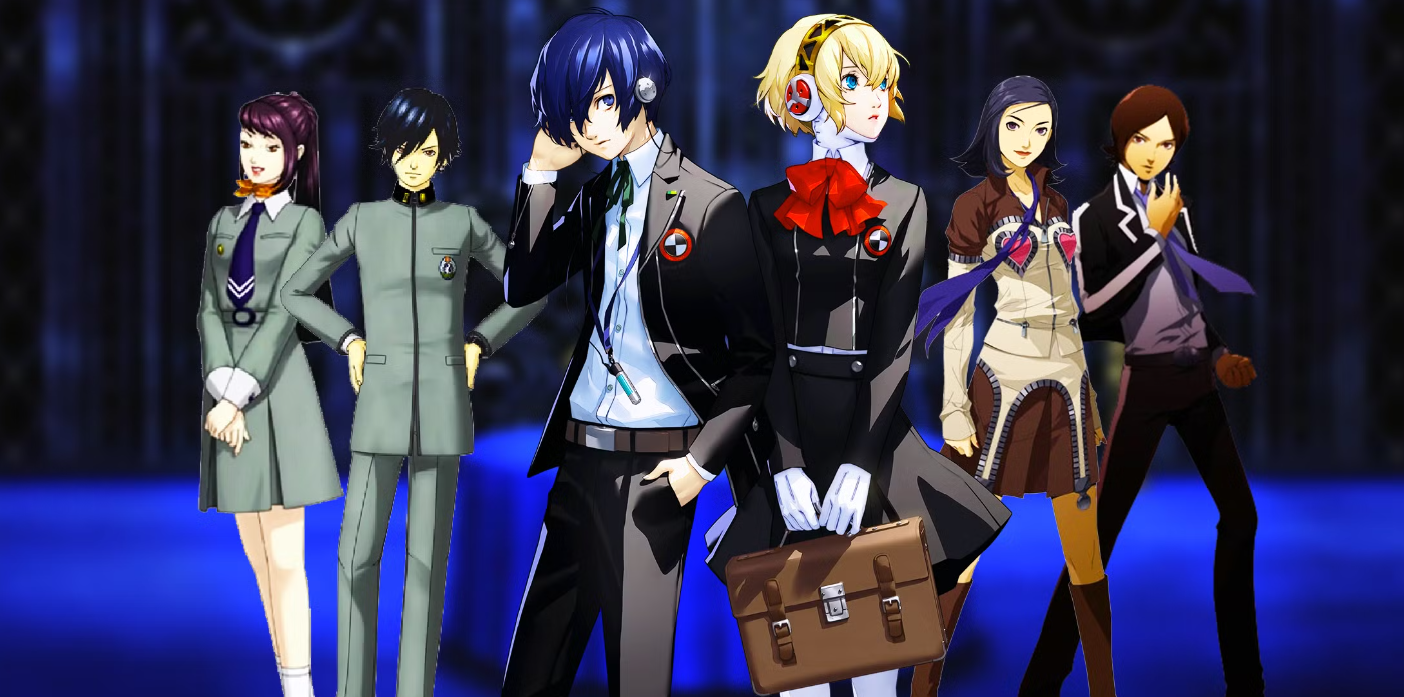
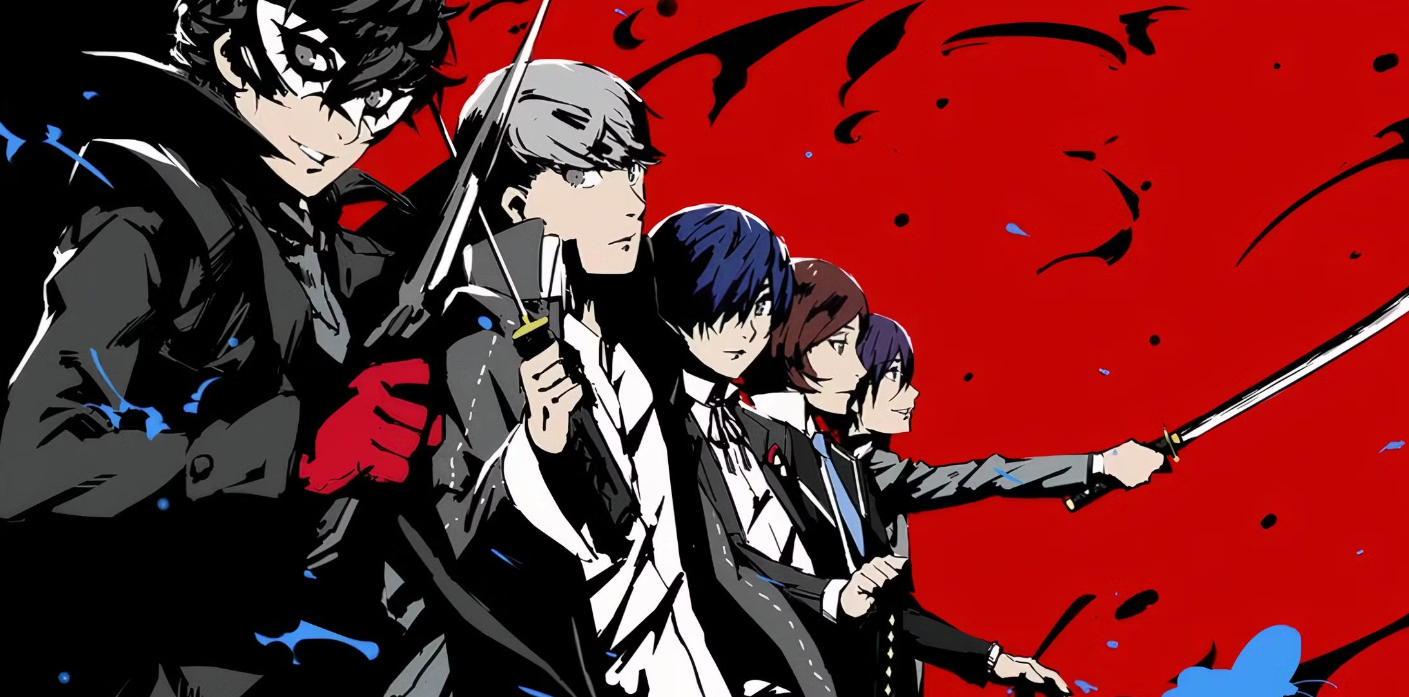
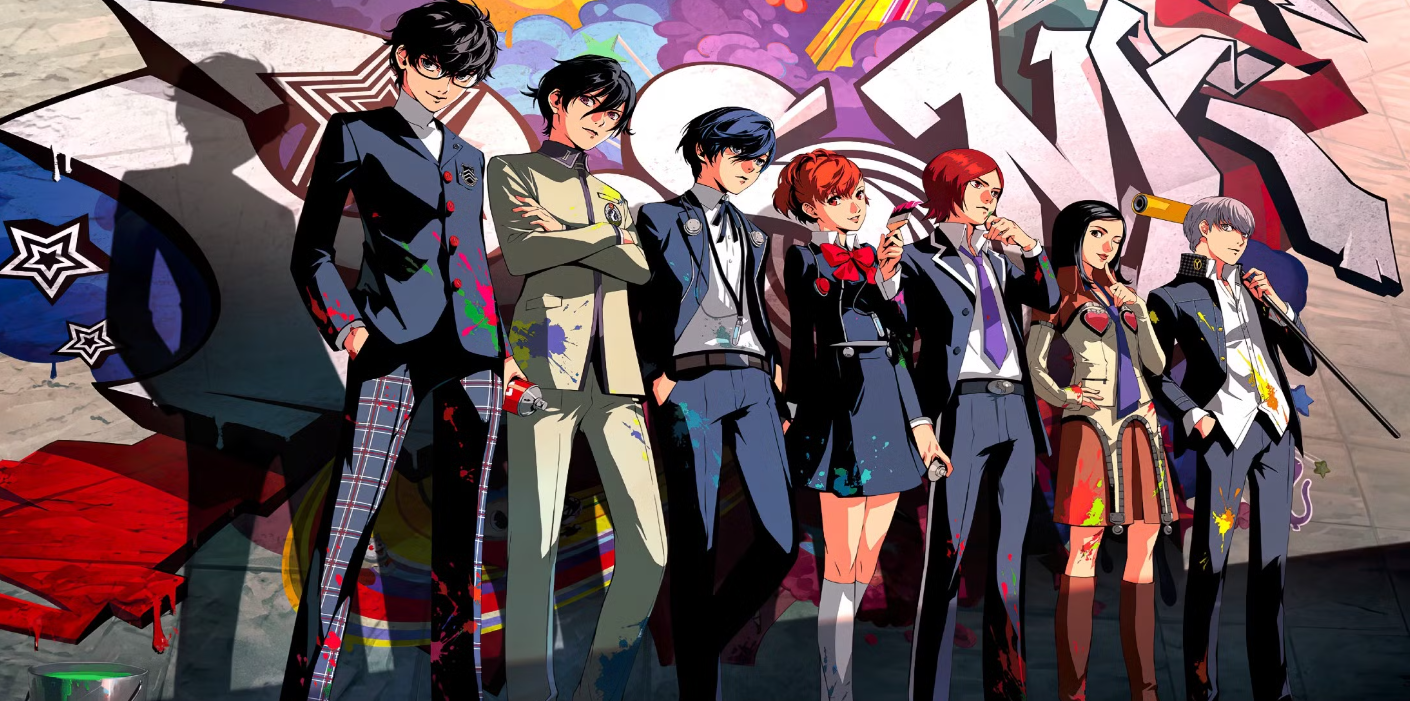
The Persona series has been holding the attention of players around the world for many years in a row. And it’s not just about the stylish visuals or the combat system — fans are hooked by the combination of a fascinating plot and subtle, almost intimate work with psychological themes. At the same time, the same question has been revolving in the community for a long time: why do the main characters almost always become boys at school? Recently, the producer of the series finally decided to dot the «I» and explained where the legs of this decision grow from. In all parts, including the incredibly successful Persona 5, betting on male characters allows you to talk more deeply about growing up, finding yourself and the pressure from society. These characters balance between control, friendship and first feelings, and in parallel — between fears, doubts and internal conflicts. This, perhaps, is their strength: they seem lively and understandable.
The producer separately noted that this approach has nothing to do with excluding or ignoring other points of view. It’s more a matter of focus and the stories the team wants to tell here and now. Of course, fans are watching the development of the series with interest and are increasingly thinking about how the expansion of character diversity in future games can be. But the fact remains that the popularity of the male protagonists only underscores how seamlessly they fit into Persona’s narrative DNA.
Содержание
How Persona works with character images
Today, Persona is not just an RPG, but a full-fledged cultural phenomenon. The series has long been one of the pillars of the genre, having managed to combine classic role-playing mechanics with deep, personal stories. Growing out of the Megami Tensei franchise, Persona quickly went her own way, focusing on characters, emotions, and the complexities of adolescence. Unsurprisingly, the theme of representing heroes regularly pops up in fan discussions. In almost every game in the series, a male character takes the center stage, and this choice looks quite natural.
If you look back, it becomes clear that most of Persona’s protagonists are male schoolchildren. There were, of course, exceptions. For example, Persona 2: Eternal Punishment or the ability to choose a female character in Persona 3 Portable. However, even in the latter case, the female version is considered non-canonical, which only strengthens the overall impression — the series was originally built around the image of a young guy on the threshold of adulthood.
Kazuhisa Wada, producer of Persona, elaborated on this topic during a speech at the CEDEC+ KYUSHU 2024 conference. According to him, at the center of all the games in the series are stories of growing up. This is the most difficult and slightly painful period when a person begins to ask questions: who am I, what is expected of me, and what do I want? The school environment is perfect for such stories. There is everything here: strong friendships, first falls in love, fear of the future, and constant pressure from school, family, and society.
Choosing a male protagonist allows the authors to explore themes of masculinity, vulnerability, and self-determination without unnecessary artificiality. These heroes are not supermen — they doubt, make mistakes, and sometimes give up before difficulties. And that’s why you believe them. In addition, Persona actively uses elements of a social simulator: the player is given the opportunity to build relationships, understand people, and see how each decision affects others. Male characters in the role of the main characters often become a convenient entry point into this world without distracting from the story itself.
At the same time, it is important to understand that the focus on male characters has never meant a weak elaboration of the rest of the characters. On the contrary, Persona has always been known for strong and memorable female characters. They are not just «companions», but full-fledged personalities — friends, mentors, romantic partners. Their relationship with the main character adds emotional depth to the plot and makes what is happening more voluminous. Wada stressed that the team consciously strives for character diversity, even if the central perspective remains the same.
As the series progresses, the conversations about diversity only intensify. More and more players want to see new points of view and a wider range of life experiences. The demand for female protagonists is getting louder, and it makes sense — the industry is changing, as are audience expectations. It is important for people to recognize themselves in the stories they live with the characters.
The success of Persona 5 has become a new starting point for these discussions. The game has been recognized not only for its gameplay, but also for its courage in dealing with social themes ranging from injustice to the struggle for personal freedom. That’s why many fans hope that future installments of the series will be able to offer an even more balanced approach to character representation and tell new, unexpected stories.
Ultimately, the dominance of male school characters in Persona is not an accident, but a conscious creative choice. It is directly related to the themes of growth, self-determination and self-acceptance. Kazuhisa Wada’s words make it clear that the team strives to create lively, honest characters who go through a difficult but familiar stage of life. This means that the dialogue about diversity and new perspectives in Persona is far from over — and that’s what makes the future of the series so interesting.
Why is the gender of the main characters so important to Persona?
The theme of the gender of the protagonists in the Persona series is actually much deeper than it seems at first glance. Kazuhisa Wada explained quite frankly in his comments why we often see male protagonists in games. According to him, everything depends on the perception of psychological maturity. Schoolgirls, he believes, usually look more mature, collected and aware. This means that their path of change may be less noticeable. Boys have more internal contradictions, doubts, and sudden swings of emotions. Simply put, they have a lot to grow, and it’s more interesting to watch this growth.
That is why the male protagonist for Persona is not an accident or a limitation, but a completely conscious choice. The series has always been about growing up, about a painful but important path to oneself. Adolescence is shown here without embellishment: confusion, the search for identity, the pressure of society, the first serious feelings. When a young man is at the center of the story, developers can talk more freely about masculinity, fear of appearing weak, vulnerability, and attempts to meet other people’s expectations. All this makes the hero’s path more vivid and, importantly, recognizable to the player.
At the same time, Wada emphasized that there are no rigid limits. The series may well change. In the future, Persona may get a female protagonist or a hero with a completely different life experience. And this is especially true now that the gaming audience has become much more diverse, and the conversation about representation is getting louder. Players want to see characters in whom they can recognize themselves — not only by their character, but also by their life path. While waiting for Persona 6, many fans hope that Atlus will decide to experiment and move away from the usual formula.
One of the most popular ideas is a more adult protagonist. Not a schoolboy, but, say, a student or a person who is just starting a career. It seems logical: many Persona fans have grown up with the series. They have completely different concerns, a different view of relationships and responsibilities. Such a protagonist could open up new storylines-conversations about career choices, fear of making mistakes, complicated romantic relationships, and attempts to find a balance between personal desires and the demands of society.
A hero at a new stage in his life would make the story richer and deeper. At the same time, the game could remain interesting both for a young audience and for those who have been following the series for a long time. Such a move would clearly expand the boundaries of Persona without destroying its essence.
So far, however, nothing is officially known about Persona 6. But Atlus actively supports interest in the franchise through projects related to Persona 5. Persona 5 Royal has added new storylines and made the characters even more voluminous. Spin-offs like Persona 5: Dancing in Starlight and Persona 5 Strikers allowed us to look at the familiar world from the other side and offered a completely different gaming experience. And Persona 5 Tactica and the recently announced mobile game have shown that the brand continues to evolve and look for new formats. All this helps fans to stay in touch with their beloved universe and characters.
As the conversation about gender and representation in games becomes more active, it is especially interesting to see how Atlus will respond to community expectations. Today’s gaming audience consists of people with different backgrounds, ages, and views. And the demand for a variety of characters can no longer be ignored. The only question is how to maintain a balance between new ideas and the very themes of Persona-growth, self-discovery, and complex human relationships.
As a result, the gender of the protagonists in Persona is not just a technical point or a habit of the series. It is part of her DNA and at the same time a space for future changes. Kazuhisa Wada’s comments help to better understand how such decisions are made and why the development and emotional involvement of the hero are so important for developers. And while fans are waiting for the new part, the hope for more diverse characters remains alive — as a reminder that Persona knows how to change without losing her character.


Комментарии
0Пока нет комментариев. Будьте первым, кто оставит комментарий!